It’s a cold evening, your furnace is running, and your home should feel warm and comfortable. But what if your heating system was quietly producing a hidden danger you couldn’t see or smell? Carbon monoxide (CO) is a colorless, odorless gas that can escape from furnaces, and even a small leak can be extremely dangerous. Understanding how it happens and what to do can protect your family and give you peace of mind.
Let’s explore how a furnace might leak carbon monoxide, the warning signs to watch for, and the steps you can take to keep your home safe.
How Carbon Monoxide Can Enter Your Home
Your furnace is designed to safely burn fuel to produce heat. However, certain issues can allow carbon monoxide to enter your living space:
- Cracked Heat Exchanger: The heat exchanger warms the air before it circulates through your home. If it develops cracks, CO can mix with the heated air and travel through the ducts.
- Blocked or Leaky Venting: Exhaust gases are meant to leave your home through a vent system. Any blockage, corrosion, or disconnected pipe can cause CO to back up inside.
- Improper Combustion: Burners that are dirty or misaligned, a malfunctioning flame sensor, or a lack of regular heating maintenance can cause incomplete fuel combustion, which increases carbon monoxide production.
- Old or Worn Equipment: Furnaces that are older or have not been properly serviced are more likely to develop problems that lead to CO leaks.
Even small leaks can become dangerous over time, making it important to recognize the signs early.
Warning Signs of a Carbon Monoxide Leak
Because carbon monoxide is invisible and odorless, you must pay attention to indirect clues:
- Unexplained Symptoms: Headaches, nausea, dizziness, or fatigue that occur when the furnace is running and improve when you leave the home.
- Soot or Stains: Dark marks around the furnace may indicate incomplete combustion.
- Yellow or Flickering Burner Flames: A properly functioning burner should have a steady blue flame. Yellow flames can signal combustion problems that produce CO.
- Pilot Light Issues: A pilot light that frequently goes out can indicate airflow problems that increase CO risks.
If any of these signs appear, it is crucial to act immediately.
Why Carbon Monoxide Detectors Are Essential
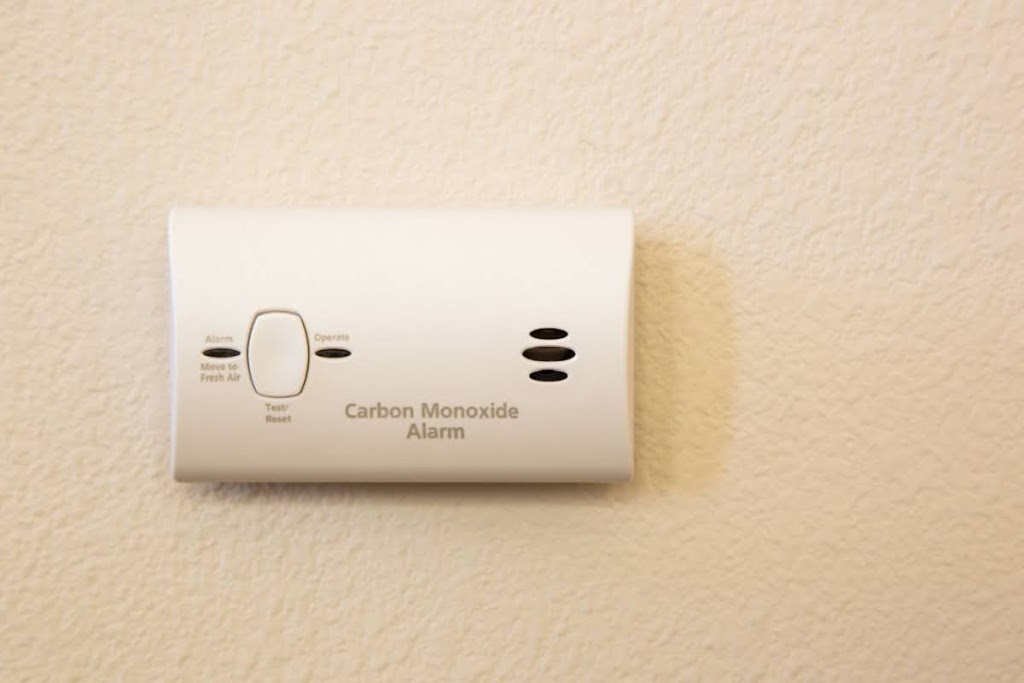
Even with regular maintenance, a hidden CO leak can occur. Installing carbon monoxide detectors near bedrooms and the furnace provides an early warning. Test detectors regularly and replace batteries at least once a year. These devices are a simple but vital safeguard for your household.
How Heating Maintenance Prevents CO Risks
Routine heating maintenance is the best way to prevent carbon monoxide leaks. During a professional checkup, a technician can:
- Inspect and clean burners to ensure proper combustion.
- Examine the heat exchanger for cracks or damage.
- Verify venting and flue systems are clear and secure.
- Test CO levels around the furnace to confirm safety.
Regular maintenance not only protects against CO but also improves energy efficiency and prolongs the life of your furnace.
When Furnace Repair Becomes Necessary
If a CO leak is suspected, or your detector sounds an alarm, leave your home immediately and call emergency services. Once it is safe, a professional can determine if furnace repair or replacement is needed. Addressing issues promptly prevents potential health hazards and ensures your heating system is functioning properly.
The Importance of Professional Furnace Repair
While it may be tempting to try a quick fix when your furnace is acting up, professional furnace repair is crucial for both safety and performance.
Accurate Diagnosis of Hidden Problems
A professional technician can identify issues that are easy to overlook, such as worn components, gas flow problems, or cracks in the heat exchanger. These hidden problems can reduce efficiency, increase energy costs, and even create safety risks like carbon monoxide leaks. Accurate diagnosis ensures the root cause is addressed, not just the symptoms.
Safety for Your Home and Family
Furnace repair involves working with gas lines, electrical components, and high temperatures. Mistakes can be dangerous, even for experienced homeowners. A trained technician follows strict safety protocols to protect your home and family, giving you peace of mind that your heating system is secure.
Long-Term Cost Savings
While professional furnace repair may seem more expensive initially, it prevents costly future problems. Timely repairs extend the life of your furnace, improve energy efficiency, and reduce the likelihood of emergency breakdowns. In the long run, investing in expert service saves money and stress.
Compliance With Codes and Warranty Requirements
Many furnace repairs require compliance with local building codes and manufacturer warranty guidelines. A professional ensures all work meets these standards, so your warranty stays valid, and your system operates within safe and legal parameters.
Enhanced Comfort and Efficiency
A properly repaired furnace runs more efficiently, heats your home evenly, and maintains consistent temperatures. Professional repair helps your system perform at its best, keeping your home comfortable throughout the season without unnecessary strain on your equipment.
Keep Your Home Safe and Warm
At All Seasons Heating & Cooling, we have been helping families in the Great Lakes Bay Region stay safe and comfortable since 1979. We provide expert heating maintenance, repair, and safety inspections to protect your home from hidden dangers like carbon monoxide.
If your system is older or has not been serviced recently, contact our team today. We will inspect your furnace, recommend any necessary repairs, and help you maintain a safe and cozy home all winter!